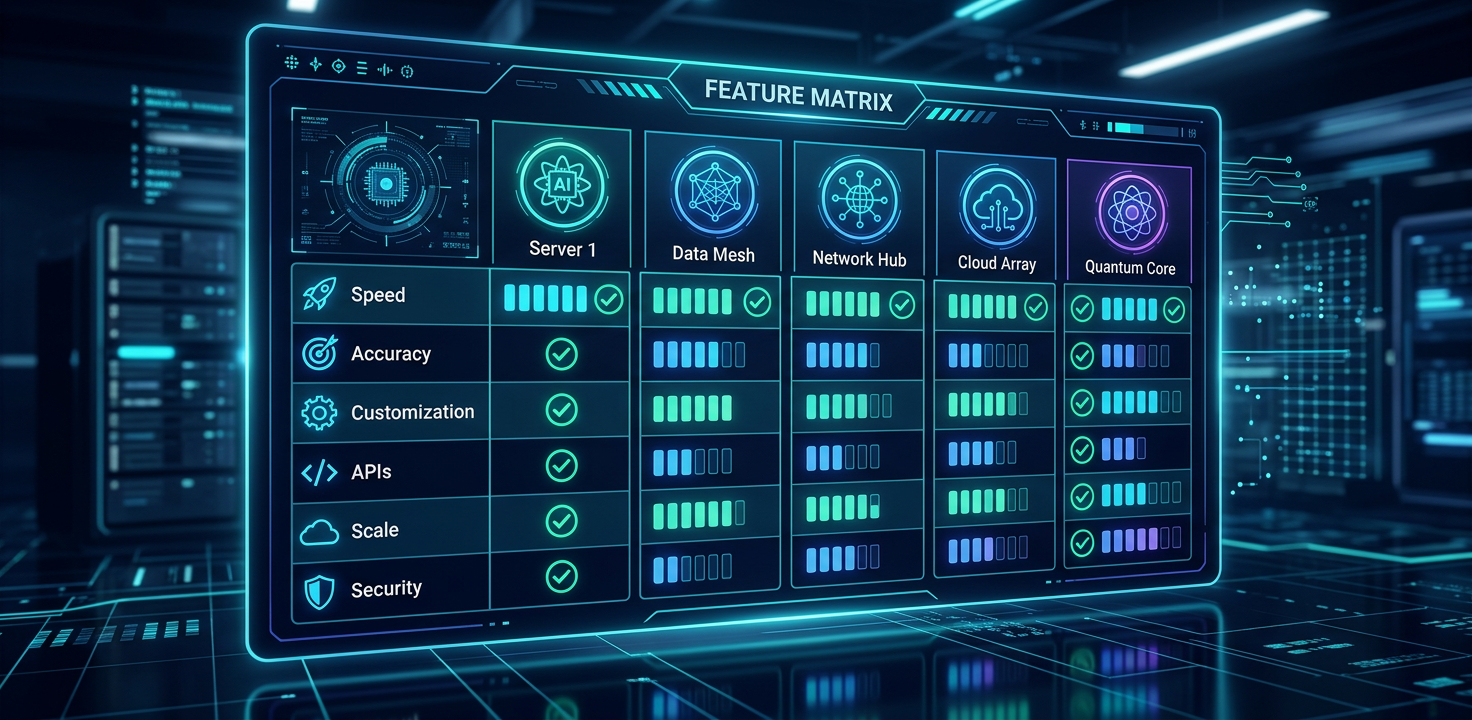
AI Translation Tool na Pinagkumpara
Mas marami na kaysa dati ang AI translation tool. Ang ilan ay legacy platform na nilagyan lang ng AI, ang iba naman ay ginawa para sa AI mula sa simula. Narito kung paano talaga sila nagkukumpara.
AI Translation para sa Developers sa 2026
Binago ng AI kung paano hinahawakan ng mga developer ang i18n at l10n. Maaari na ninyong isalin ang mga file mula sa loob ng inyong IDE gamit ang mga tool tulad ng Claude Code, Cursor, o Codex. Ngunit malaki ang agwat sa kalidad sa pagitan ng mga tool. Ang ilan ay wrapper lang ng Google Translate na may mas maayos na API. Ang iba naman ay nagpapatakbo ng multi-model pipeline na talagang nakauunawa sa inyong code. Ito ang mahalaga kapag pumipili ng AI translation tool.
Paghahambing ng Feature
| Feature | i18n Agent | DeepL | Smartling | Lingo.dev | SimpleLocalize |
|---|---|---|---|---|---|
| AI-native (hindi legacy wrapper) | |||||
| Mga sinusuportahang file format | 9+ | 50+ | 5+ | 5+ | |
| Mga sinusuportahang wika | 50+ | 30+ | 150+ | 30+ | 50+ |
| Multi-model na AI quality pipeline | |||||
| Pagsasaling may konteksto | |||||
| Pay-per-word (walang subscription) | |||||
| Zero-config na setup | |||||
| Pagpapanatili ng istruktura at placeholder | |||||
| Suporta sa IDE / AI agent | |||||
| Batch na pagsasalin ng file |
Ano ang Nagpapatingkad sa i18n Agent
Ginawa para sa AI, Hindi Inangkop Lang
Karamihan sa mga translation tool ay nagdagdag lang ng AI bilang huli nang naisip, sa ibabaw ng mga legacy platform. Ang i18n Agent ay idinisenyo mula sa unang araw para gumana kasama ng mga AI agent tulad ng Claude, Codex, at Cursor.
Multi-Model na AI Pipeline
Ang ibang tool ay umaasa sa iisang translation engine. Pinapatakbo ng i18n Agent ang maraming AI model nang parallel, kinukumpara ang mga resulta, at bine-validate ang kalidad bago may maisulat sa inyong proyekto.
Kumpletong Suporta sa File Format
9+ file format na may kumpletong pagpapanatili ng istruktura. Tama nitong hinahawakan ang mga nested key, ICU plural, HTML entity, at variable placeholder.
Hindi Kailangan ng Subscription
Magbayad kada salita, hindi kada buwan. Walang minimum na commitment, walang seat-based pricing, walang platform fee. Magbabayad lang kayo para sa isinasalin ninyo.
Subukan ang i18n Agent Ngayon
I-drop dito ang inyong translation file
JSON, YAML, PO, XML, CSV, Markdown, Properties
o i-click para mag-browse
Mga target language
Mga Madalas Itanong
Developer kayo?
I-install ang CLI tool at isalin ang una ninyong file sa loob ng 2 minuto.
I-install ang CLI ToolEnterprise team ba kayo?
Nakatali pa rin ba kayo sa TMS contract? Mag-usap tayo tungkol sa pag-migrate.