
Tõlkehaldus tehisintellekti ajastul
Tõlkehaldussüsteemid kavandati inimtõlkijatele. Laadi stringid üles, määra ülevaatajad ja oota kinnitust. Sinu töövoog on edasi arenenud. Ka tõlkehaldus peaks arenema.
Sinu tehnoloogiapinu arenes. Tõlketöövoog mitte.
Sa juurutad 50 korda päevas. Sinu tehisintellektiagendid kirjutavad koodi, käitavad teste ja avaldavad funktsioone. Aga tõlked? Ekspordid endiselt stringe juhtpaneelile, määrad need ülevaatajatele ja ootad kinnitust päevi.
Kitsaskoht pole tõlke kvaliteet, vaid seda ümbritsev töövoog.
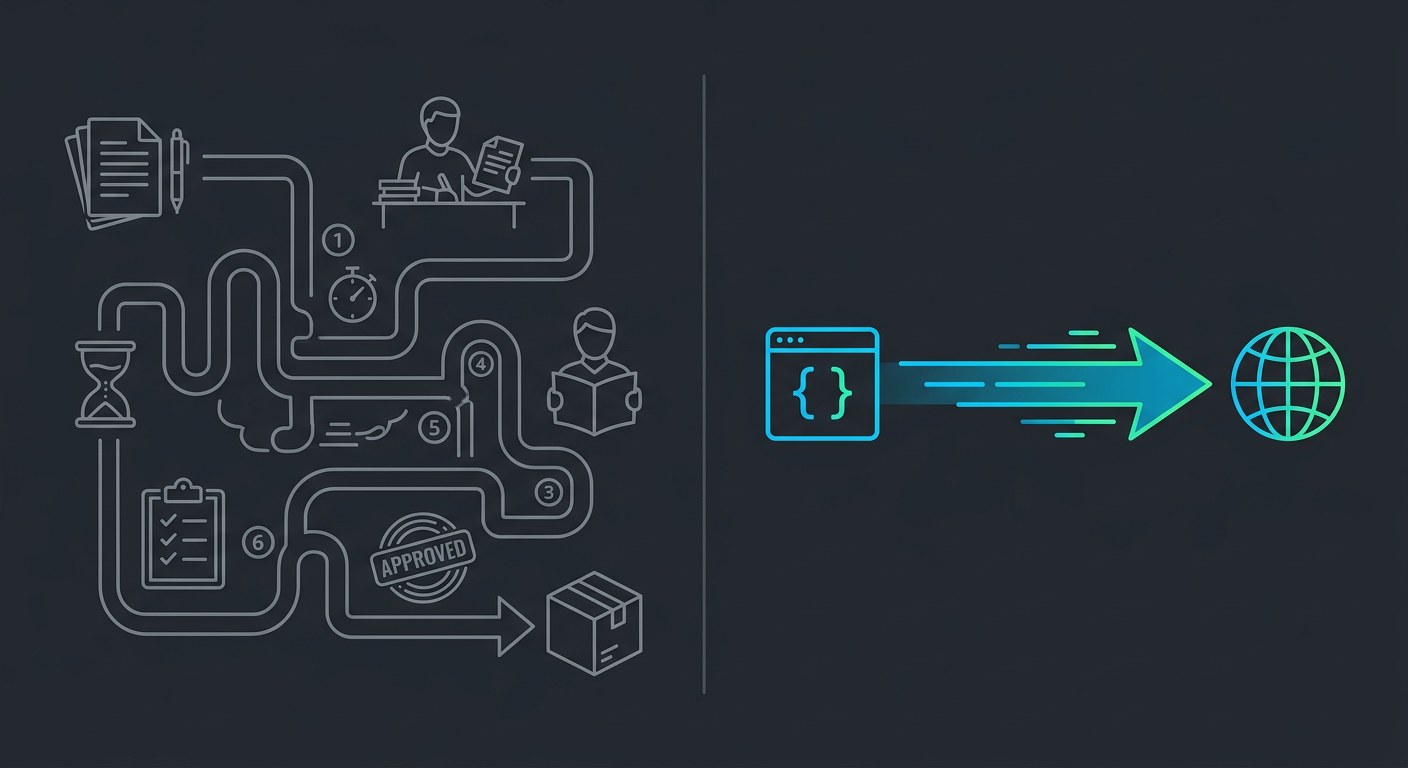
TMS-i platvormid lisasid tehisintellekti. Need ei muutunud tehisintellektiks.
Traditsioonilised TMS-id lisasid inimtõlkijatele mõeldud töövoogu tehisintellekti soovitused. Inimene osaleb endiselt: vaatab üle, kinnitab ja haldab.
Tehisintellekt soovitab → inimene vaatab üle → inimene kinnitab → stringid eksporditakse → liidetakse koodibaasi
Tehisintellektiagent kutsub API-t → lokaliseeritud failid kirjutatakse → valmis
Juhtpaneel projektijuhtidele tõlkijate edenemise jälgimiseks
MCP-protokoll tehisintellektiagentidele iseseisvaks lokaliseerimiseks
Nädalatepikkune kasutuselevõtt, konnektorite seadistamine ja töövoo konfigureerimine
Üks CLI-käsk. Töötab sinu IDE-s.
TMS ei tõlgi. See haldab tõlkijaid.
Enamik inimesi ei märka seda: TMS ei tõlgi tegelikult midagi. See suunab stringid masintõlketeenustele või inimülevaatajatele. Kvaliteet tuleb mujalt. Sa maksad vahendajale.
i18n Agent'i kvaliteedipipeline

Mitme mudeliga tehisintellektitõlge (GPT-4, Claude, erimudelid)
Kontekstianalüüs ja tehniliste terminite kontroll
Kultuuriline ja piirkondlik kohandamine
Kvaliteeti hinnatakse ja kontrollitakse enne tarnimist
Saadab stringid lihtsale masintõlketeenusele → märgib madala kindluse → lisab inimülevaatuse järjekorda → ootab → kinnitatud
Mitme tehisintellektimudeli pipeline → kontekstianalüüs → tehniliste terminite kontroll → kultuuriline kohandamine → kvaliteedihinnang → tarnimine
QA = inimülevaataja leiab vead pärast tõlkimist
QA = mitmeastmeline valideerimispipeline leiab vead enne tarnimist. Iga tõlge saab kvaliteedihinde.
i18n Agent töötleb iga tõlget mitme spetsialiseeritud tehisintellektimudeliga: üks tagab tehnilise täpsuse, teine kultuurilise konteksti ja kolmas järjepidevuse. Tulemus sarnaneb spetsialistidest tõlkemeeskonnaga, mitte ühe üldtõlkijaga.
i18n Agent'it ei loodud tõlkijatele, vaid tehisintellektiagentidele.
Kui sinu tehisintellektiagent peab faili lokaliseerima, ei ava ta juhtpaneeli. Ta kutsub i18n Agent'it MCP kaudu sama protokolliga, mida kasutab kõige muu jaoks.
Piirkondlike eripärade arvestamine
Mitte ainult keel, vaid ka kultuuriline kohandamine
Failitaseme integratsioon
Töötab otse sinu JSON-, YAML-, Markdown- ja PO-failidega
Inimese osalemisega seotud halduskoormus puudub
Tehisintellektiagent haldab kogu töövoogu
Töötab seal, kus sina töötad
Claude Code, Cursor, VS Code ja kõik MCP-ga ühilduvad tööriistad
Üks integratsioon. Kõik keeled.
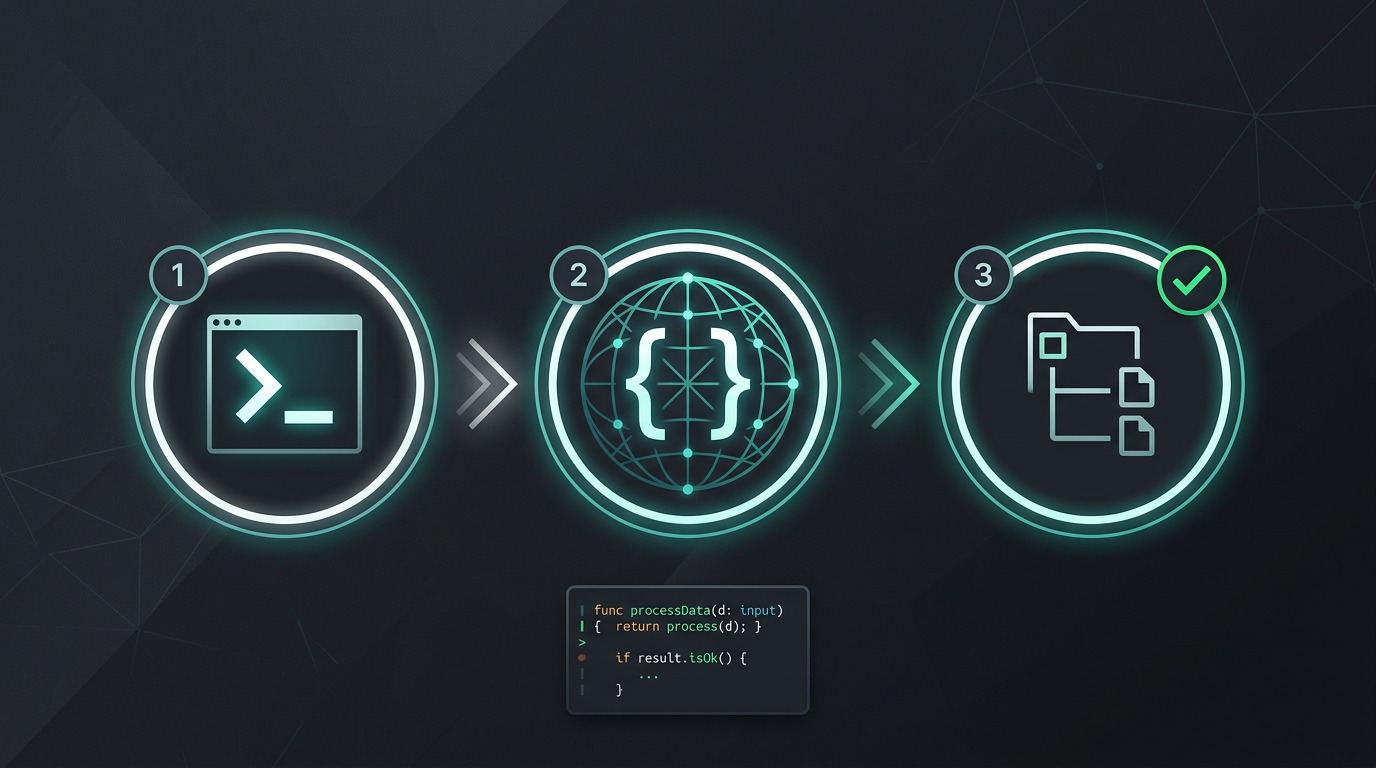
Paigalda
Paigalda MCP-server ühe käsuga
Tõlgi
Sinu tehisintellektiagent kutsub funktsiooni translate_file või translate_text
Valmis
Lokaliseeritud failid ilmuvad sinu projekti. Struktuur säilib ja võtmed jäävad puutumata.
Juhtpaneeli, kinnitusahelat ega projektijuhti pole. Ainult tõlgitud failid.
Maksa tõlgete, mitte platvormi eest.
TMS-i platvormid võtavad €200-€1,000+ kuus olenemata sellest, kas tõlgid ühe sõna või miljon sõna. Kasutuselevõtutasud. Kasutajakohtade piirangud. Konnektorite lisatasud. Aastased lepingud.
i18n Agent võtab €0.01 sõna kohta. See on kõik.

€200-€1,000+ kuus + masintõlkekulu sõna kohta + inimülevaatajate kulu
€0 kuus. Maksad €0.01 sõna kohta ainult tõlkimisel.
Juhtpaneel, töövoomootor, konnektorite pluginad ja kasutajakohtade litsentsid
Emakeele tasemel tõlked. Inimkeeleteadlase kvaliteet sekunditega.
Korduma kippuvad küsimused
Ettevõtte meeskond?
Kas oled endiselt TMS-i lepingus kinni? Räägime üleminekust.