
Διαχείριση μεταφράσεων για την εποχή της AI
Τα συστήματα διαχείρισης μεταφράσεων σχεδιάστηκαν για ανθρώπους μεταφραστές. Μεταφορτώνετε συμβολοσειρές, τις αναθέτετε σε επιμελητές και περιμένετε την έγκριση. Η ροή εργασίας σας έχει εξελιχθεί. Το ίδιο πρέπει να κάνει και η διαχείριση των μεταφράσεών σας.
Η τεχνολογική υποδομή σας εξελίχθηκε. Η ροή εργασίας των μεταφράσεών σας όχι.
Κυκλοφορείτε νέες εκδόσεις 50 φορές την ημέρα. Οι πράκτορες AI γράφουν κώδικα, εκτελούν δοκιμές και παραδίδουν λειτουργίες. Όταν όμως έρχεται η ώρα των μεταφράσεων; Εξακολουθείτε να εξάγετε συμβολοσειρές σε έναν πίνακα ελέγχου, να τις αναθέτετε σε επιμελητές και να περιμένετε ημέρες για έγκριση.
Το σημείο συμφόρησης δεν είναι η ποιότητα της μετάφρασης. Είναι η ροή εργασίας που την περιβάλλει.
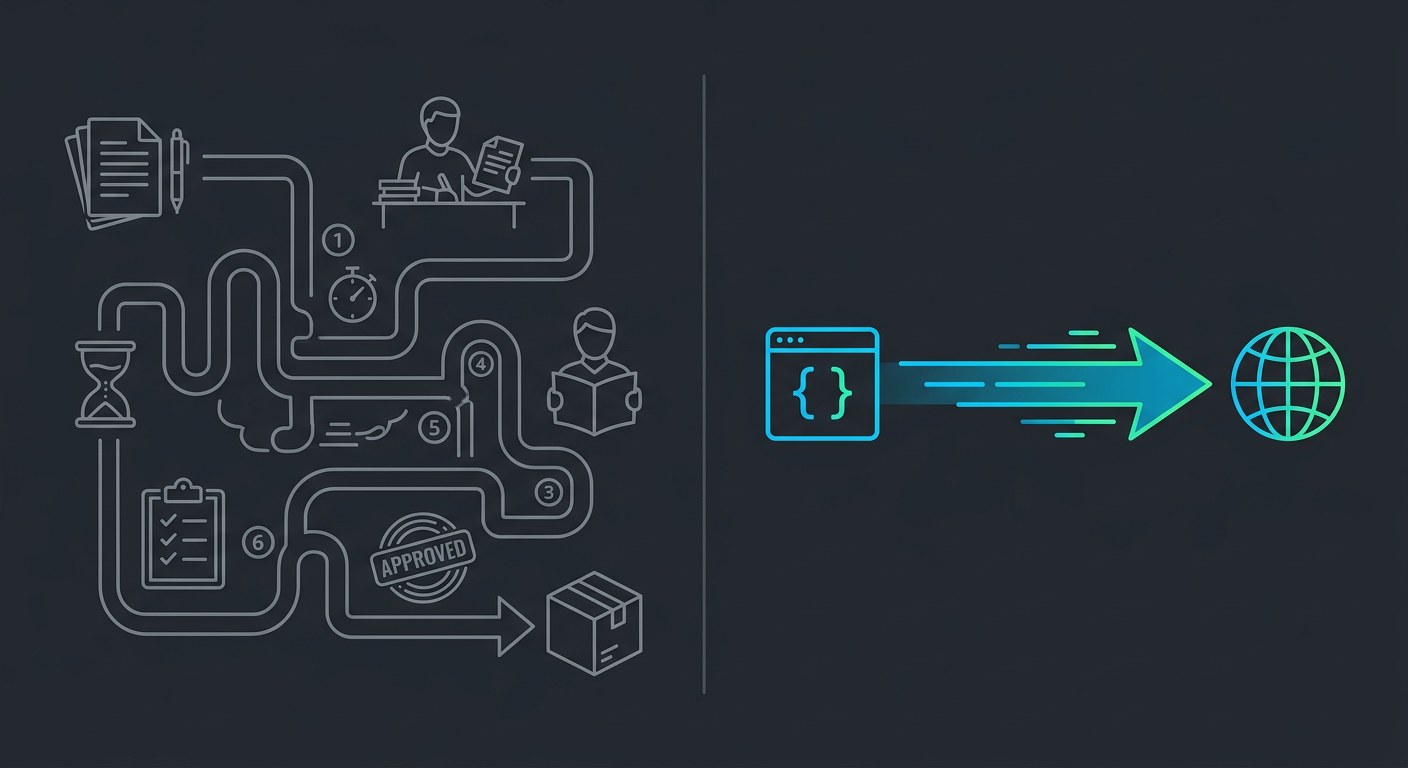
Οι πλατφόρμες TMS πρόσθεσαν AI. Δεν έγιναν AI.
Τα παραδοσιακά TMS πρόσθεσαν προτάσεις AI σε μια ροή εργασίας σχεδιασμένη για ανθρώπους μεταφραστές. Ο άνθρωπος εξακολουθεί να συμμετέχει σε κάθε στάδιο: ελέγχει, εγκρίνει και διαχειρίζεται.
Η AI προτείνει → ο άνθρωπος ελέγχει → ο άνθρωπος εγκρίνει → οι συμβολοσειρές εξάγονται → ενσωματώνονται στη βάση κώδικα
Ο πράκτορας AI καλεί το API → τα μεταφρασμένα αρχεία εγγράφονται → τέλος
Πίνακας ελέγχου για να παρακολουθούν οι διαχειριστές έργων την πρόοδο των μεταφραστών
Πρωτόκολλο MCP για αυτόνομη τοπική προσαρμογή από πράκτορες AI
Εβδομάδες αρχικής εξοικείωσης, ρύθμισης διασυνδέσεων και παραμετροποίησης της ροής εργασίας
Μία εντολή CLI. Λειτουργεί στο IDE σας.
Ένα TMS δεν μεταφράζει. Διαχειρίζεται μεταφραστές.
Αυτό διαφεύγει της προσοχής των περισσότερων: ένα TMS δεν μεταφράζει στην πραγματικότητα τίποτα. Προωθεί τις συμβολοσειρές σε παρόχους μηχανικής μετάφρασης ή σε επιμελητές. Η ποιότητα προέρχεται από αλλού. Εσείς πληρώνετε τον μεσάζοντα.
Η διαδικασία διασφάλισης ποιότητας του i18n Agent

Μετάφραση με πολλαπλά μοντέλα AI (GPT-4, Claude, εξειδικευμένα μοντέλα)
Ανάλυση συμφραζομένων και επαλήθευση τεχνικής ορολογίας
Πολιτισμική και τοπική προσαρμογή
Βαθμολόγηση και επικύρωση της ποιότητας πριν από την παράδοση
Στέλνει συμβολοσειρές σε έναν βασικό πάροχο μηχανικής μετάφρασης → επισημαίνει όσες έχουν χαμηλό βαθμό εμπιστοσύνης → τις θέτει σε ουρά για έλεγχο από άνθρωπο → περιμένει → εγκρίνονται
Διαδικασία με πολλαπλά μοντέλα AI → ανάλυση συμφραζομένων → επαλήθευση τεχνικής ορολογίας → πολιτισμική προσαρμογή → βαθμολόγηση ποιότητας → παράδοση
QA = ένας επιμελητής εντοπίζει τα σφάλματα μετά τη μετάφραση
QA = μια διαδικασία επικύρωσης πολλαπλών σταδίων εντοπίζει τα σφάλματα πριν από την παράδοση. Κάθε μετάφραση λαμβάνει βαθμολογία ποιότητας.
Το i18n Agent επεξεργάζεται κάθε μετάφραση με πολλαπλά εξειδικευμένα μοντέλα AI. Ένα για την τεχνική ακρίβεια, ένα για το πολιτισμικό πλαίσιο και ένα για την επικύρωση της συνέπειας. Σαν μια ομάδα εξειδικευμένων μεταφραστών και όχι ένας μόνο μεταφραστής γενικών καθηκόντων.
Το i18n Agent δεν δημιουργήθηκε για μεταφραστές. Δημιουργήθηκε για πράκτορες AI.
Όταν ο πράκτορας AI πρέπει να προσαρμόσει ένα αρχείο για μια συγκεκριμένη γλώσσα ή περιοχή, δεν ανοίγει πίνακα ελέγχου. Καλεί το i18n Agent μέσω MCP, του ίδιου πρωτοκόλλου που χρησιμοποιεί για όλα τα υπόλοιπα.
Ευαισθησία στις τοπικές ιδιαιτερότητες
Πέρα από τη γλώσσα, λαμβάνει υπόψη και το πολιτισμικό πλαίσιο
Ενσωμάτωση σε επίπεδο αρχείου
Λειτουργεί απευθείας με τα αρχεία JSON, YAML, Markdown και PO
Χωρίς επιβάρυνση από ανθρώπινη παρέμβαση
Ο πράκτορας AI διεκπεραιώνει ολόκληρη τη ροή εργασίας
Λειτουργεί εκεί όπου εργάζεστε
Claude Code, Cursor, VS Code και κάθε εργαλείο συμβατό με MCP
Μία ενσωμάτωση. Κάθε γλώσσα.
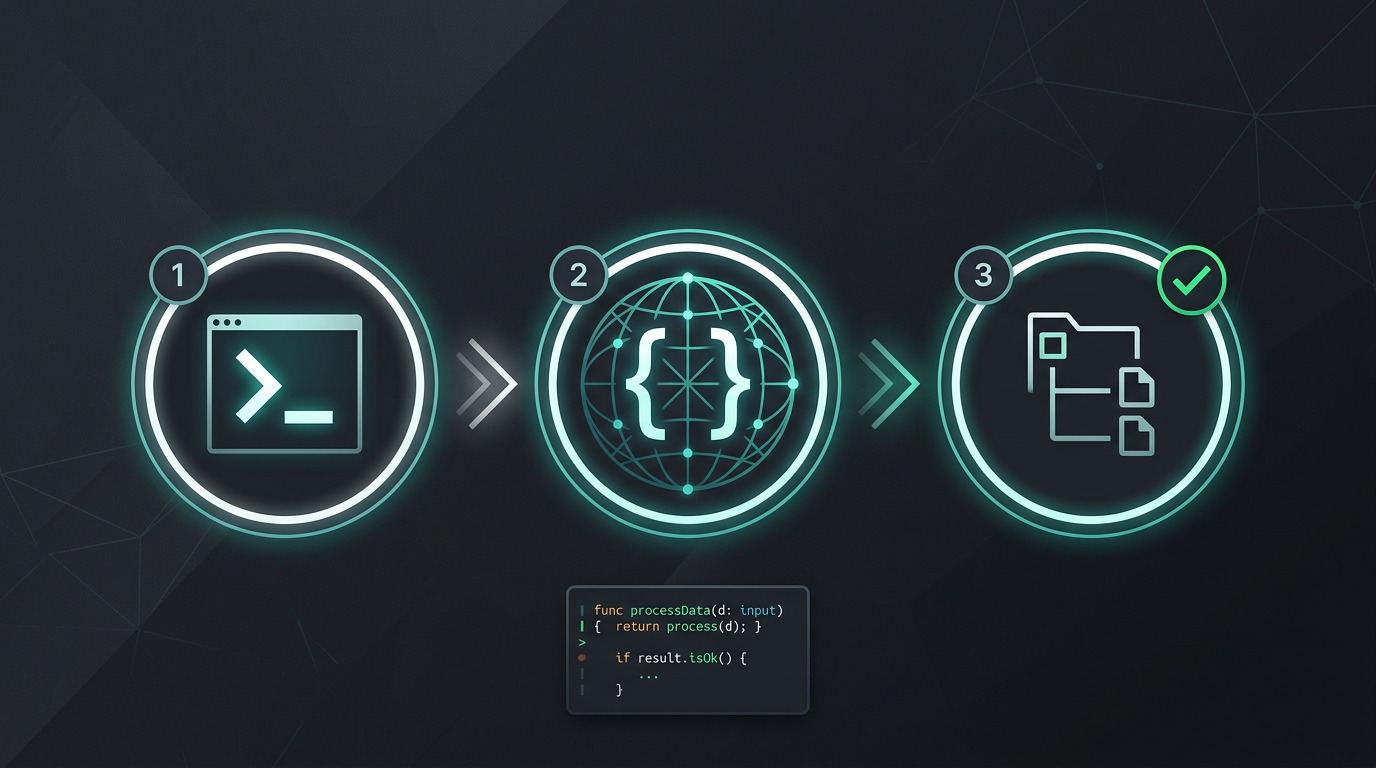
Εγκατάσταση
Εγκαταστήστε τον διακομιστή MCP (με μία εντολή)
Μετάφραση
Ο πράκτορας AI καλεί τη translate_file ή τη translate_text
Ολοκλήρωση
Τα μεταφρασμένα αρχεία εμφανίζονται στο έργο σας. Η δομή διατηρείται και τα κλειδιά παραμένουν ανέπαφα.
Χωρίς πίνακα ελέγχου. Χωρίς αλυσίδα εγκρίσεων. Χωρίς διαχειριστή έργου. Μόνο μεταφρασμένα αρχεία.
Πληρώστε για τις μεταφράσεις. Όχι για μια πλατφόρμα.
Οι πλατφόρμες TMS χρεώνουν €200-€1,000+ ανά μήνα, είτε μεταφράζετε μία λέξη είτε ένα εκατομμύριο. Χρεώσεις αρχικής εγκατάστασης. Όρια θέσεων χρηστών. Επιπλέον χρεώσεις για πρόσθετα διασύνδεσης. Ετήσια συμβόλαια.
Το i18n Agent χρεώνει €0.01 ανά λέξη. Αυτό είναι όλο.

Βασική χρέωση €200-€1,000+ ανά μήνα + κόστος μηχανικής μετάφρασης ανά λέξη + κόστος ανθρώπινου ελέγχου
€0 ανά μήνα. Πληρώνετε €0.01 ανά λέξη μόνο όταν μεταφράζετε.
Έναν πίνακα ελέγχου, μια μηχανή ροής εργασίας, πρόσθετα σύνδεσης και άδειες ανά θέση χρήστη
Μεταφράσεις που μοιάζουν να έχουν γραφτεί από φυσικό ομιλητή. Ποιότητα επαγγελματία γλωσσολόγου, με παράδοση σε λίγα δευτερόλεπτα.
Συχνές ερωτήσεις
Μεταφράστε απευθείας τα αρχεία σας
Είστε προγραμματιστής;
Εγκαταστήστε το εργαλείο CLI και μεταφράστε το πρώτο σας αρχείο σε 2 λεπτά.
Εγκαταστήστε το εργαλείο CLIΕίστε εταιρική ομάδα;
Σας δεσμεύει ακόμη ένα συμβόλαιο TMS; Ας συζητήσουμε τη μετάβαση.